Indoor Air Quality Testing Florida: Complete Homeowner Guide 2026
Indoor air quality has become an increasingly important part of residential property maintenance. Florida's warm climate, high humidity, frequent rainfall, and extensive use of air conditioning can create unique indoor environmental challenges. Homeowners may spend most of their time indoors without realizing that ventilation, moisture, HVAC maintenance, and other factors can influence the quality of the air inside a property.
Professional indoor air quality testing Florida services can provide useful information when homeowners have concerns about their indoor environment. Testing may be especially relevant when there are unusual odors, visible moisture problems, a history of water intrusion, or concerns about specific airborne pollutants.
Why Indoor Air Quality Matters
Indoor air can be affected by many sources, including outdoor pollutants, building materials, cleaning products, combustion sources, moisture, and ventilation conditions.
Potential indoor air concerns can involve:
- Mold and fungal particles
- Excessive humidity
- Dust and particulate matter
- Volatile organic compounds
- Carbon monoxide from combustion sources
- Inadequate ventilation
- HVAC-related concerns
Not every property will experience the same conditions. Testing and inspection can help determine which issues may warrant further attention.
Florida's Climate and Indoor Environments
Florida's climate can make moisture management particularly important. Warm temperatures and humidity can contribute to condensation and create favorable conditions for microbial growth when moisture is not properly controlled.
Potential sources of excess moisture include:
- Plumbing leaks
- Roof leaks
- Poor drainage
- Condensation
- HVAC problems
- Flooding
- Inadequate ventilation
Controlling moisture is an important part of maintaining a comfortable indoor environment.
What Is Indoor Air Quality Testing?
Indoor air quality testing involves collecting information or samples from selected areas of a property to evaluate specific environmental parameters.
The exact testing process depends on the concerns being investigated. Depending on the circumstances, testing may evaluate factors such as:
- Particulate matter
- Humidity
- Mold-related indicators
- Carbon monoxide
- Volatile organic compounds
- Other environmental parameters
Not every test is necessary for every property. Testing should be selected based on the property's history, visible conditions, and the concerns being investigated.
Mold and Indoor Air Quality
Mold is one of the most commonly discussed indoor environmental concerns. Mold spores naturally exist in both outdoor and indoor environments, so detecting spores alone does not necessarily establish a mold problem.
A proper evaluation should consider:
- Visible growth
- Moisture conditions
- Water intrusion
- Odors
- Building history
- Ventilation
- Indoor and outdoor conditions
Air sampling may provide additional information when appropriate, but it should not replace a physical inspection for moisture and visible conditions.
Signs That May Indicate an Indoor Air Concern
Homeowners may want to consider professional evaluation when they notice persistent or unexplained changes in their indoor environment.
Possible warning signs include:
Persistent Odors
Musty or unusual odors may indicate moisture or other environmental sources. Odor alone, however, cannot identify the specific cause.
Excessive Humidity
High humidity can contribute to condensation and moisture-related problems. Monitoring indoor humidity can help homeowners identify conditions that deserve attention.
Visible Moisture
Water stains, damp materials, condensation, or recurring leaks can indicate conditions that may affect indoor environmental quality.
Poor Ventilation
Bathrooms, kitchens, and other areas with inadequate ventilation can accumulate moisture and airborne contaminants.
The Importance of HVAC Systems
Heating, ventilation, and air conditioning systems play an important role in indoor air management. Poor maintenance can contribute to dust accumulation, reduced airflow, moisture problems, and other concerns.
Homeowners should regularly maintain HVAC systems and replace filters according to the manufacturer's recommendations.
Professional HVAC servicing may be appropriate when there are unusual odors, drainage problems, inadequate cooling, or other equipment concerns.
Benefits for Homeowners
A professional indoor air quality testing Florida evaluation can help homeowners better understand specific indoor environmental conditions.
Potential benefits include:
- Identifying measurable environmental concerns
- Establishing baseline information
- Investigating unusual odors
- Evaluating concerns after water intrusion
- Supporting property maintenance decisions
- Determining whether additional investigation may be appropriate
Testing is most useful when it answers a specific question rather than being performed without a clear purpose.
Considerations for Homebuyers
Homebuyers may want to consider indoor environmental conditions when purchasing properties with a history of flooding, water intrusion, visible moisture, or unusual odors.
A standard home inspection can identify observable conditions, while specialized testing may provide additional information when concerns exist.
Buyers should understand the scope and limitations of any testing before relying on the results. If significant concerns are identified, additional evaluation by qualified specialists may be appropriate.
Sellers Can Benefit Too
Sellers can also take a proactive approach. If a property has experienced previous water damage or remediation, organized documentation can help explain the property's maintenance history.
Relevant records may include:
- Repair invoices
- HVAC maintenance records
- Moisture assessments
- Mold-related reports
- Remediation documentation
- Laboratory results
Having appropriate records available can make property discussions more organized.
Modern Testing and Inspection Technology
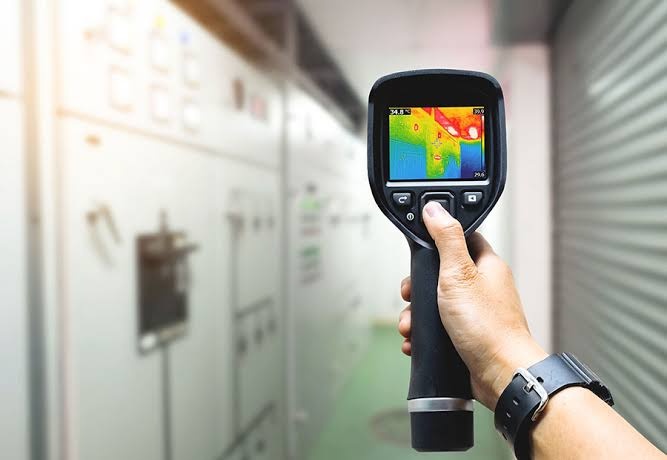
Inspection professionals have access to a variety of technologies in 2026. Depending on the inspection scope, professionals may use moisture meters, thermal imaging cameras, environmental monitors, and laboratory sampling.
These tools can help identify patterns or conditions that may deserve further investigation.
However, technology should complement professional judgment. A single instrument reading or laboratory result does not necessarily explain the entire condition of a building.
Moisture Control Is Key
One of the most important ways to support indoor environmental quality is to control moisture.
Homeowners can take practical steps such as:
- Repairing plumbing leaks promptly
- Maintaining gutters
- Improving drainage
- Using bathroom exhaust fans
- Maintaining HVAC equipment
- Monitoring humidity
- Repairing roof leaks
- Addressing condensation
Preventive maintenance can reduce the likelihood of moisture-related problems developing over time.
What Happens When Testing Identifies a Concern?
The appropriate response depends on the type and severity of the finding.
Depending on the circumstances, homeowners may need to consult:
- HVAC professionals
- Plumbers
- Roofing contractors
- Environmental professionals
- Mold remediation specialists
- Other qualified contractors
Testing provides information, but determining the correct corrective action requires consideration of the underlying cause.
Why Indoor Air Quality Matters in 2026
Florida homeowners are paying increasing attention to property maintenance, energy efficiency, moisture control, and indoor environmental conditions. As homes become more tightly constructed, proper ventilation and moisture management remain important.
Professional indoor air quality testing Florida services can provide useful information when homeowners have specific concerns about their indoor environment.
Rather than relying solely on assumptions, homeowners can use appropriate inspection and testing to better understand measurable conditions and determine whether additional professional evaluation is warranted.
Conclusion
Indoor air quality is influenced by many factors, and every property is different. Florida's climate makes moisture management, ventilation, and HVAC maintenance particularly important considerations.
When concerns arise, professional indoor air quality testing Florida can provide valuable information about selected environmental conditions. Testing works best when combined with a careful property inspection, moisture assessment, and attention to potential sources of indoor air concerns.
For Florida homeowners in 2026, proactive maintenance, appropriate testing, and timely professional evaluation can help create a better-managed and more comfortable residential environment.

About Premium Author
This post has been authored and published by one of our premium contributors, who are experts in their fields. They bring high-quality, well-researched content that adds significant value to our platform.

Popular Categories
Stay Connected
Recent Posts