The Supply Chain Leadership Value Your Resume May Be Hiding | Executive Career Insights
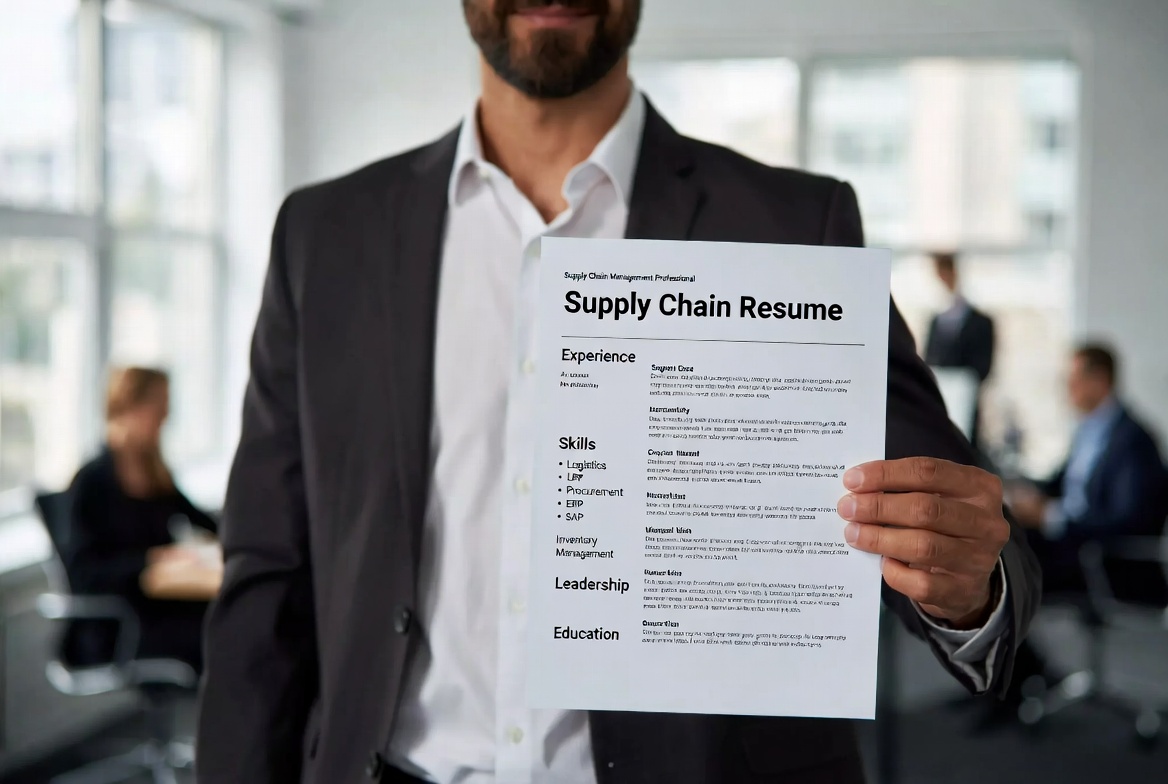
Supply chain leadership has changed dramatically over the past decade.
What was once viewed primarily as an operational function has become one of the most strategically important areas of modern business. Supply chain leaders are now expected to manage risk, improve efficiency, support growth, navigate disruption, and contribute to long-term business objectives.
As a result, executive opportunities within supply chain management have become increasingly competitive.
Yet many highly experienced leaders discover an unexpected challenge when pursuing senior roles. Despite years of success, complex project leadership, and measurable business impact, their resumes fail to communicate the full value of their experience.
The problem is not a lack of accomplishments.
The problem is often how those accomplishments are presented.
A resume should do more than summarize a career. At the executive level, it should communicate leadership, strategic thinking, and business impact. When those qualities are not clearly visible, valuable experience can remain hidden from recruiters, executive search firms, and hiring boards.
Why Executive Resumes Require a Different Approach
Many professionals build their resumes using the same structure throughout their careers.
That approach may work for early and mid-career positions, but executive hiring follows a different process.
Organizations hiring senior supply chain leaders are not simply looking for someone who can manage operations. They are looking for someone who can influence business performance.
This means decision-makers often evaluate resumes through a different lens.
They want to understand:
- Leadership capability
- Strategic contribution
- Organizational influence
- Business outcomes
- Change management experience
- Enterprise-level thinking
A resume focused only on responsibilities may fail to communicate these qualities effectively.
Executive resumes need to show the bigger picture.
Leadership Is More Than Managing Teams
Many supply chain professionals spend years leading people, departments, and projects.
However, leadership involves much more than overseeing daily operations.
Strong leaders shape direction.
They influence decisions.
They solve business problems.
They create alignment across departments.
They help organizations adapt during periods of uncertainty.
When reviewing executive candidates, employers often pay close attention to evidence of leadership rather than management alone.
For example, there is a significant difference between saying:
"Managed supply chain operations."
And saying:
"Led supply chain initiatives that improved operational efficiency and supported long-term business objectives."
The second statement provides context and highlights strategic influence.
That distinction matters at the executive level.
Strategic Impact Deserves More Attention
One of the most common weaknesses found in executive resumes is an overemphasis on operational duties.
Many accomplished leaders spend valuable space describing what they were responsible for instead of explaining the results they achieved.
Boards and executive recruiters already understand the responsibilities associated with supply chain leadership roles.
What they want to know is how those responsibilities are translated into business impact.
Did you improve efficiency?
Reduce costs?
Strengthen supplier relationships?
Support revenue growth?
Lead transformation initiatives?
Improve resilience during periods of disruption?
These outcomes tell a much stronger story than a list of daily activities.
A resume that highlights strategic impact creates a clearer picture of executive capability.
The Value of Enterprise Thinking
Senior leadership roles require a broader perspective than operational management.
Organizations increasingly seek leaders who understand how supply chain decisions influence the wider business.
This includes areas such as:
- Financial performance
- Customer satisfaction
- Risk management
- Sustainability
- Business continuity
- Organizational growth
Executive candidates who demonstrate enterprise thinking often stand out because they show an understanding of how supply chain strategy connects to business success.
That broader perspective is often what separates senior managers from true executive leaders.
Your Career Story Matters
Many resumes present information as a timeline of positions and responsibilities.
While experience is important, employers also want to understand the story behind a career.
How did responsibilities evolve?
What challenges were overcome?
How did leadership influence business outcomes?
What growth occurred over time?
A strong executive resume connects these elements into a clear narrative.
Instead of simply showing where a leader has worked, it demonstrates how they have developed, adapted, and created value throughout their career.
This approach helps employers see future potential rather than only past experience.
Executive Recruiters Look for More Than Experience
At the C-level, most candidates already possess extensive experience.
Experience alone rarely creates differentiation.
Executive recruiters often focus on qualities such as:
- Vision
- Influence
- Leadership presence
- Strategic thinking
- Transformation experience
- Decision-making ability
A resume that communicates these strengths naturally becomes more memorable.
This is one reason many professionals explore supply chain c-level resume writing services when preparing for executive opportunities. They recognize that experience alone is not always enough. Presentation plays an important role in how that experience is perceived.
The Importance of Positioning
Two candidates may have similar backgrounds yet receive very different levels of interest from employers.
Often, the difference comes down to positioning.
How effectively does the resume communicate leadership?
Does it demonstrate business impact?
Does it show progression toward executive responsibility?
Does it reflect strategic influence rather than operational involvement alone?
These factors shape how decision-makers evaluate candidates.
Positioning is particularly important for leaders pursuing vice president, chief supply chain officer, or other executive-level opportunities.
A well-positioned resume helps employers understand not only what a leader has done but what they are capable of doing next.
Modern Supply Chain Leadership Requires Adaptability
Recent years have highlighted the importance of adaptability within supply chain leadership.
Global disruptions, changing customer expectations, technological advancements, and economic uncertainty have transformed the role of supply chain executives.
Organizations increasingly value leaders who can navigate complexity and respond effectively to change.
A resume should reflect these qualities.
Examples of transformation, innovation, crisis management, and strategic adaptation help demonstrate executive readiness.
These experiences often provide compelling evidence of leadership capability.
Why Communication Is an Executive Skill
Executive leadership is not only about making decisions.
It is also about communicating those decisions effectively.
Supply chain leaders regularly interact with executives, stakeholders, suppliers, customers, and operational teams.
Strong communication skills help drive alignment and support organizational goals.
Yet many resumes focus almost entirely on operational achievements while overlooking this important leadership quality.
The strongest executive resumes demonstrate both business impact and the ability to influence others.
Looking Beyond Responsibilities
One of the simplest ways to strengthen an executive resume is to move beyond responsibility-based language.
Instead of focusing solely on what was managed, leaders should emphasize outcomes, improvements, and organizational contributions.
This creates a more compelling narrative and helps decision-makers understand the value behind the experience.
It also helps position candidates as strategic leaders rather than operational managers.
Many professionals who seek supply chain c-level resume writing services are not trying to change their careers. They are simply looking for ways to better communicate the leadership value they have already built over many years.
Final Thoughts
Many supply chain leaders possess far more value than their resumes reveal.
Years of leadership, operational excellence, transformation initiatives, and strategic decision-making often become hidden behind generic descriptions and routine responsibilities.
At the executive level, a resume should do more than document a career.
It should communicate influence.
It should demonstrate business impact.
It should highlight leadership.
Most importantly, it should help employers understand the difference a leader can make within an organization.
When those elements are presented clearly, a resume becomes much more than a professional document. It becomes a reflection of executive potential and a powerful tool for opening new opportunities.

About Premium Author
This post has been authored and published by one of our premium contributors, who are experts in their fields. They bring high-quality, well-researched content that adds significant value to our platform.


Popular Categories
Stay Connected
Recent Posts