HVAC Zoning Systems | Smart Home Comfort & Energy Savings 2026
Keeping every room in a home comfortable can be challenging with a traditional HVAC system. One bedroom may feel too warm while another remains cool, and a second floor can have completely different temperature needs from the main living area. Running the entire HVAC system to solve these differences can also result in unnecessary energy consumption.
Modern HVAC Zoning Systems offer a smarter approach by dividing a property into separate comfort zones. Each zone can have its own temperature settings, allowing homeowners to heat or cool specific areas according to their needs.
With smart-home technology, energy efficiency, and personalized comfort becoming major HVAC trends in 2026, zoning has become an increasingly practical option for homeowners looking to improve how their heating and cooling systems operate.
What Are HVAC Zoning Systems?
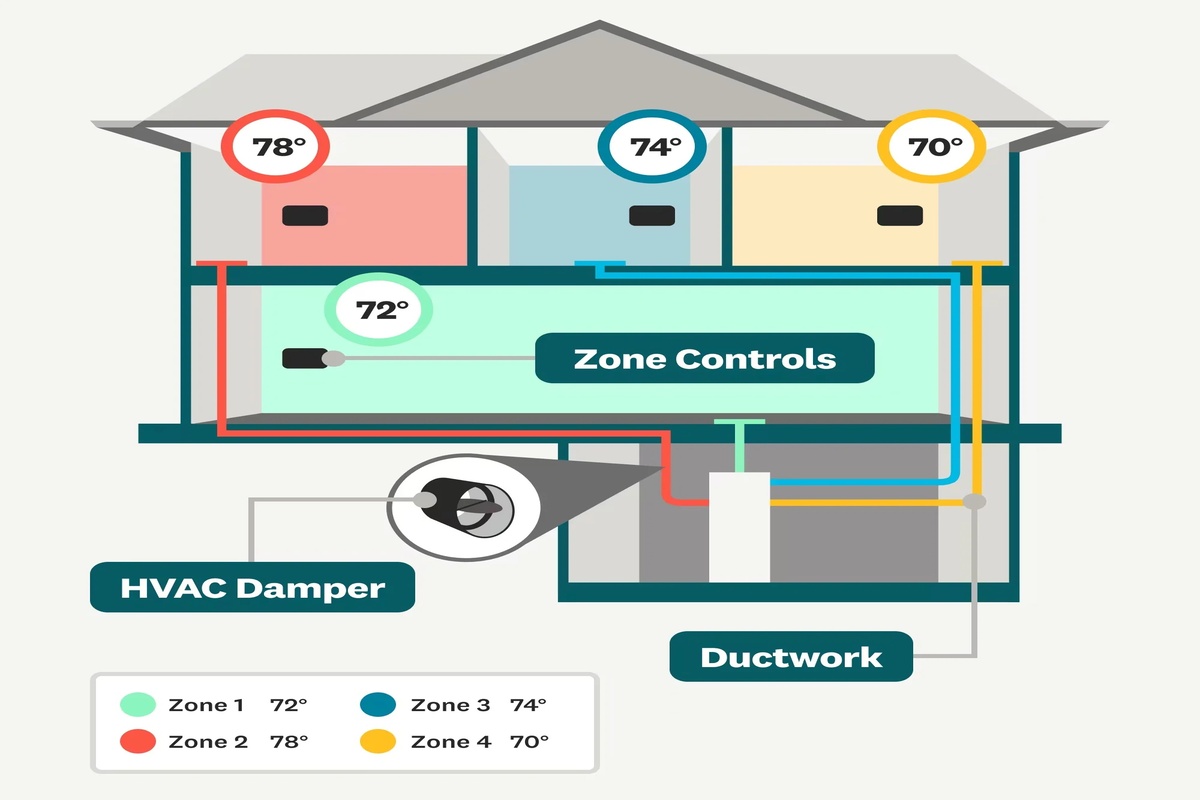
An HVAC zoning system divides a home into multiple areas that can be controlled independently. Motorized dampers installed within the ductwork regulate the movement of conditioned air, while individual thermostats control the temperature in each zone.
Instead of conditioning the entire home to the same temperature, homeowners can customize comfort based on room usage and household preferences.
For example, a home might have separate zones for:
- Bedrooms
- Main living areas
- Upstairs rooms
- Home offices
- Guest rooms
- Finished basements
- Home additions
This approach gives homeowners significantly more control than a single thermostat located in one area of the property.
Why Traditional HVAC Systems Can Create Uneven Temperatures
A conventional central HVAC system generally responds to one thermostat. If that thermostat is located in a frequently used room, it may not accurately represent the temperature in other parts of the house.
Several factors can contribute to uneven temperatures, including:
- Multiple floors
- Large windows
- Direct sunlight
- Different insulation levels
- High ceilings
- Large open spaces
- Rooms that are rarely occupied
- Home additions
These differences can make it difficult for one thermostat to satisfy every area simultaneously.
HVAC Zoning Systems address this challenge by allowing different areas to operate according to their individual comfort requirements.
Key Benefits of HVAC Zoning
A professionally designed zoning system can provide several benefits for homeowners.
Personalized Comfort
Family members may prefer different temperatures. Zoning allows individual areas to be adjusted without changing conditions throughout the entire home.
Improved Energy Management
Unused rooms do not necessarily need the same level of heating or cooling as occupied spaces. Zoning can reduce conditioning in areas that are not being used.
Better Temperature Consistency
Separate controls can help address hot and cold spots that are common in larger or multi-level homes.
Reduced HVAC Stress
When conditioned air is managed more strategically, the system may avoid unnecessary operation in areas that do not require heating or cooling.
Greater Control
Modern zoning systems can provide homeowners with greater flexibility over their home's indoor environment.
Smart Technology Is Transforming HVAC Zoning
One of the biggest developments in residential HVAC is the integration of smart controls. In 2026, homeowners can combine zoning with connected thermostats and sensors for more precise climate management.
Modern features may include:
Smartphone Control
Homeowners can adjust temperatures in individual zones from their phones, even when they are away from home.
Programmable Schedules
Different zones can follow different schedules based on occupancy and household routines.
Occupancy Sensors
Some smart systems can detect whether spaces are being used and adjust comfort settings accordingly.
Energy Monitoring
Connected HVAC platforms may provide information about system operation and energy consumption, helping homeowners identify opportunities to improve efficiency.
These technologies make zoning more convenient while giving homeowners greater insight into how their HVAC system operates.
Is Your Home a Good Candidate for Zoning?
While many homes can benefit from zoning, certain properties are particularly well suited for this technology.
Consider a zoning evaluation if your home has:
- Multiple stories
- Large temperature differences between rooms
- Significant sun exposure
- A finished basement
- A home addition
- Frequently unused rooms
- Multiple household comfort preferences
A professional HVAC contractor can evaluate the home's layout, ductwork, insulation, and existing equipment before recommending a zoning configuration.
Professional Installation Is Essential
Installing a zoning system involves more than adding thermostats. The ductwork, dampers, controls, and HVAC equipment must work together properly.
A professional installation may involve:
- Evaluating the home's heating and cooling requirements.
- Identifying appropriate zones.
- Inspecting existing ductwork.
- Installing motorized dampers.
- Installing compatible thermostats and controls.
- Connecting the zoning equipment to the HVAC system.
- Testing airflow throughout each zone.
- Calibrating the controls.
Proper design is essential because poorly configured zoning can create airflow or equipment-performance problems.
Zoning and Energy Efficiency
Energy efficiency is one of the main reasons homeowners consider zoning. However, the actual savings will depend on how the system is designed and operated.
Reducing heating or cooling in unused areas can help avoid conditioning space unnecessarily. Smart schedules can also reduce operation when occupants are away.
For the best results, zoning should be combined with other efficiency measures such as:
- Proper insulation
- Regular HVAC maintenance
- Clean filters
- Sealed ductwork
- Efficient equipment
- Appropriate thermostat settings
Zoning is most effective when it is part of a broader home energy strategy.
Maintenance Keeps Zoning Systems Reliable
Like other HVAC components, zoning equipment requires periodic inspection. Motorized dampers, thermostats, wiring, and control boards can develop problems over time.
Routine service may include:
- Testing zone thermostats
- Inspecting dampers
- Checking wiring
- Testing communication between controls
- Evaluating airflow
- Inspecting ductwork
- Verifying system performance
Regular maintenance can help identify problems before they interfere with comfort.
Choosing the Right HVAC Professional
A zoning project should be handled by an HVAC professional with experience in both traditional and smart zoning technologies.
When selecting a contractor, look for:
- Qualified technicians
- Experience with zoning installations
- Knowledge of smart thermostats
- Proper system sizing
- Detailed comfort assessments
- Preventive maintenance options
- Clear pricing and recommendations
A professional evaluation helps ensure the zoning system is designed around the home's actual requirements rather than simply adding equipment without addressing underlying airflow issues.
The Future of Personalized Home Comfort
Homeowners are increasingly moving away from one-size-fits-all temperature control. Smart technology is making it easier to customize indoor environments while monitoring energy consumption.
HVAC Zoning Systems fit naturally into this trend because they provide homeowners with control over individual areas rather than forcing the entire property to operate according to a single temperature setting.
As HVAC equipment becomes more connected in 2026, zoning can work alongside smart thermostats, sensors, efficient equipment, and indoor air quality technologies to create a more responsive home comfort system.
Conclusion
Every home has different comfort requirements, and a single thermostat does not always provide the control needed to address them. HVAC Zoning Systems offer a practical solution for properties with multiple floors, uneven temperatures, changing occupancy patterns, or different household preferences.
When professionally designed and installed, zoning can provide personalized comfort, smarter energy management, and greater control over HVAC operation. Combined with modern smart technology and regular maintenance, zoning is becoming an increasingly valuable HVAC solution for homeowners looking to create a more efficient and comfortable home in 2026.

About Premium Author
This post has been authored and published by one of our premium contributors, who are experts in their fields. They bring high-quality, well-researched content that adds significant value to our platform.


Popular Categories
Stay Connected
Recent Posts